Blank Napkin Ring Circle: A Designer’s Review for Craft Fairs
As an embroidery designer who spends weekends manning booths at local craft fairs and managing an online handmade shop, I have learned that the difference between a "nice" item and a "sell-out" item often comes down to production practicality and visual impact. When I first encountered the Blank Napkin Ring Circle, my immediate reaction was one of cautious optimism. It is a classic in-the-hoop applique design intended for non-fraying fabrics like felt or vinyl. But does it hold up under the scrutiny of a busy market? Does it photograph well for Etsy listings? And most importantly, will customers reach for it when they are browsing through tote bags, aprons, and tea towels?
First Impressions and Visual Appeal
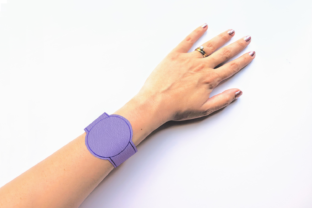
The title Blank Napkin Ring Circle suggests simplicity, but in the world of handmade products, simplicity can be a double-edged sword. At first glance, the design feels minimal and modern. It lacks the cluttered complexity of some novelty designs, which actually works in its favor for a curated booth display. The circular shape is inherently pleasing to the eye and offers a clean focal point that stands out against textured backgrounds.
However, the "blank" aspect requires careful interpretation. In a physical setting, this means the design relies heavily on the contrast between the base fabric and the stitching. If you are selling these as part of a cohesive collection—perhaps alongside embroidered aprons or kitchen towels—the circle acts as a versatile anchor. It feels decorative and premium rather than cute or rustic, making it suitable for buyers looking for elegant table settings or sophisticated home accents. For the Etsy seller or boutique maker, this versatility is key; it allows you to target multiple niches, from farmhouse kitchens to modern dining rooms.
Performance Across Product Types
To determine the true value of this machine embroidery design, we must look at how it performs across various craft fair product categories. The description notes that it is meant for felt or vinyl, which immediately narrows the field but also highlights specific opportunities.
- Tote Bags and Market Bags: While the design is technically for napkin rings, many crafters use similar circular motifs as large chest logos on canvas totes. However, using it strictly as a napkin ring accent on a tote bag (perhaps attached to the handle) creates a unique gift set. This adds perceived value to a standard tote bag design.
- Apron Embroidery and Tea Towel Embroidery: This is where the design truly shines. A set of four napkin rings paired with a matching apron or tea towel creates a high-ticket bundle. The circle motif provides a subtle branding element without overwhelming the main garment. It photographs exceptionally well, offering a clean, symmetrical subject that looks professional in listing images.
- Embroidered Patch and Caps: Because the design uses applique on non-fraying fabric, it translates well to structured patches. You could create a series of branded patches for caps or backpacks. The vinyl option adds a sleek, waterproof element that appeals to outdoor enthusiasts or those looking for durable accessories.
- Fabric Pouches and Pillow Covers: Small pouches for makeup or tech accessories benefit from the compact nature of the circle. On pillow covers, it serves as a subtle textural detail. These items are impulse buys, and the low material cost of felt makes the profit margin healthy for a small shop product.
Production Practicality and Batch Efficiency
For any commercial embroidery business, time is money. The in-the-hoop nature of the Blank Napkin Ring Circle is a significant advantage. It automates the construction process, reducing manual labor and ensuring consistency across batches. If you are preparing for a weekend craft fair, you need to produce units quickly. This design allows for rapid production once the hoop setup is optimized.
The inclusion of full instructions is a crucial feature. Ambiguity leads to wasted materials and frustrated customers. Clear guidance ensures that even novice embroiderers can achieve professional results, which is vital if you are selling digital files or kits. The design’s reliance on felt and vinyl also simplifies sourcing. These materials are widely available, stable, and easy to work with, reducing the risk of puckering or distortion that often plagues more delicate fabrics.
Critical Considerations for Success
Despite its strengths, there are pitfalls to avoid. As a reviewer, I must highlight several areas requiring careful attention before mass production.
Stitch Density and Detail Clarity
The success of a circular applique design hinges on stitch density. If the stitches are too sparse, the applique may not lie flat, resulting in a lumpy appearance. Conversely, excessive density can make the fabric stiff and difficult to assemble. You must inspect the stitch pattern closely. Additionally, tiny details within the circle may lose clarity if scaled down too small. Always test the design at the exact size you plan to sell. If the design includes lettering or intricate inner shapes, ensure they remain legible.
Fabric and Thread Contrast
Because the design is "blank," the choice of thread colors is paramount. Low contrast between the felt base and the embroidery thread will cause the design to disappear, especially in poor lighting at a craft fair. Use bold, complementary colors to make the circle pop. Dark fabrics can hide the applique edges, so light-colored felt or vinyl is generally safer for visibility. Always check thread contrast against your chosen fabric swatch.
Hoop Size and Stabilizer Selection
Confirm the required hoop size before starting production. Using the wrong hoop can lead to misalignment during the multi-step appling process. Furthermore, the choice of stabilizer is critical. Felt and vinyl can be tricky; they may require cut-away stabilizer to prevent shifting, especially if the design has dense satin stitches. Test on scrap fabric to determine the optimal stabilizer weight and type.
Commercial Licensing and Digital Assets
If you intend to sell finished products, verify the commercial licensing terms of the digital embroidery file. Some designers restrict the number of units you can sell, while others allow unlimited production. Understanding these terms protects your business from legal issues. Also, consider creating printable mockups using the design assets to showcase the product online before you have physically produced every unit. This helps gauge customer interest and refine your marketing strategy.
Final Verdict for the Handmade Entrepreneur
The Blank Napkin Ring Circle is a solid addition to any embroidery file library, particularly for those focused on the Food Dining category. It offers a balance of aesthetic appeal and production efficiency that is hard to beat. Its clean lines and versatile application make it suitable for a wide range of handmade product offerings, from kitchen textiles to fashion accessories.
For the craft fair seller, this design provides a strong booth display element. It catches the eye without shouting, inviting customers to pick up and examine the quality. When paired with other items like aprons or tea towels, it elevates the entire collection, suggesting a thoughtful, coordinated brand identity. However, success depends on meticulous execution. Pay attention to stitch density, fabric choice, and thread contrast. Test thoroughly, compare fabric colors, and ensure your final product reflects the high standards your customers expect.
In conclusion, the Blank Napkin Ring Circle is more than just a napkin ring; it is a tool for building a cohesive, profitable handmade brand. By leveraging its strengths in production and visual appeal, you can create a standout presence at your next market event or online store. Just remember to respect the technical requirements of the design, and you will find it to be a reliable and rewarding asset in your creative arsenal.