Classic Sailing Ship Review
As an embroidery designer who spends weekends hunched over a table at craft fairs, I have learned one hard truth: customers buy with their eyes before they ever touch the fabric. When you are setting up a booth for a handmade market, every inch of display space is prime real estate. You need designs that stop traffic, communicate quality instantly, and feel premium in the hand. Today, I am reviewing the Classic Sailing Ship embroidery design to see if it has the legs to become a bestseller in your shop or a standout piece on your craft fair table.
This design falls into the Freebies category within the broader Embroidery niche, which often raises eyebrows among serious business owners. Is a free design too good to be true? Or is it a hidden gem that can drive significant sales volume? Let’s break down the visual appeal, production practicality, and market potential of this maritime-themed artwork.
First Impressions: The Visual Hook
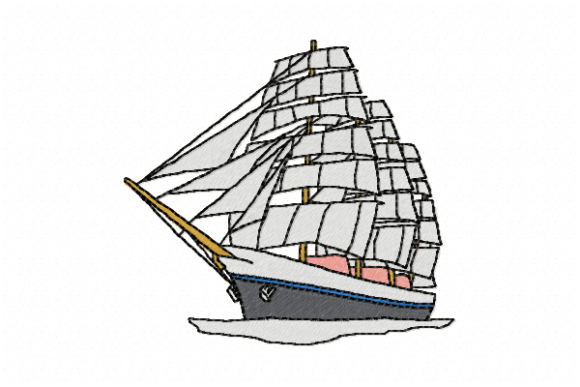
The moment you pull the hooped fabric from the machine, the first thing you notice is the silhouette. The title "Classic Sailing Ship" suggests a timeless aesthetic rather than a trendy, fleeting motif. In my experience, nautical themes perform exceptionally well because they tap into feelings of adventure, freedom, and coastal calm. This isn't just a boat; it is a symbol of exploration that appeals to a wide demographic, from outdoor enthusiasts to lovers of farmhouse decor.
Visually, the design strikes a balance between bold and elegant. It avoids the cluttered look of overly complex scenes, relying instead on clean lines that translate well to thread. For a craft fair seller, this clarity is crucial. At a distance, through the haze of a crowded venue, customers need to recognize the subject immediately. A tote bag design featuring this ship will read as sophisticated and intentional, not rushed or amateurish. The aesthetic leans toward rustic charm with a hint of modern minimalism, making it versatile enough for various branding styles, whether you sell bohemian goods or structured leather accessories.
Product Versatility and Market Fit
One of the biggest mistakes new sellers make is limiting their product range. The beauty of the Classic Sailing Ship lies in its adaptability. Here is how it performs across different high-demand categories:
- Tote Bags and Market Bags: This is arguably the strongest application. A large, centered placement on a canvas tote creates a statement piece. The nautical theme pairs perfectly with natural fabrics like jute, cotton duck, or linen blends. It feels like a functional accessory for a beach day or a grocery run, increasing its perceived utility.
- Apron Embroidery: For the home cook or the hostess gift market, this design adds a touch of personality to kitchen textiles. Placed on the chest pocket of a denim or white apron, it offers a subtle nod to heritage and craftsmanship without overwhelming the garment.
- Tea Towel Embroidery: Linen tea towels are impulse-buy staples at craft fairs. The ship design works beautifully here as a smaller accent, perhaps near the hem or corner. It elevates a basic kitchen staple into a giftable item, perfect for housewarmings or holiday exchanges.
- Embroidered Patches and Caps: If the design file allows for a clean edge or a backing application, it translates well to patches. These can be sewn onto beanies, backpacks, or baseball caps. The curved surface of a cap requires careful digitizing, but a classic ship motif holds its shape well against the curve of the head.
- Pillow Covers and Home Decor: Larger hoop sizes allow this design to shine on throw pillows. The maritime theme complements coastal interiors, making it a strong contender for seasonal home decor collections.
For the Etsy seller or digital entrepreneur, these applications mean you can create multiple listings from a single digital embroidery file. By offering printable mockups that show the design on various products, you can attract buyers who are looking for specific uses, such as "dad gifts" or "nursery decor."
Production Practicalities and Quality Control
While the visual concept is strong, the devil is in the details of production. As a professional, I always advise testing before you commit to bulk runs. Here are the critical factors to consider when producing items with this design:
Stitch Density and Detail
Check the stitch density carefully. Ships often feature rigging (ropes) and sails. If the digitizer has used too many stitches for fine lines, the fabric may pucker, especially on lighter materials. Conversely, if the sail areas are too sparse, the design may look thin and cheap. Ensure that tiny details remain visible after washing. For small shop product owners, consistency is key; you want every hat and towel to look identical.
Fabric Texture and Contrast
The choice of fabric dramatically affects the final look. On a textured towel, some fine details might get lost in the weave. On smooth cotton, the design will pop. Pay close attention to thread colors. A classic ship often uses whites, blues, and greys. Ensure there is enough contrast between the thread and the fabric. For example, light grey thread on a beige tote bag may lack definition, whereas navy blue on white canvas will be crisp and legible.
Hoop Size and Stabilizer
Confirm the recommended hoop size for the design. If you are working with limited hoop space, you may need to split the design or choose a smaller product base. Always use the correct stabilizer. For stretchy fabrics like jersey caps, a cut-away stabilizer is essential to prevent distortion. For woven cottons, a tear-away or wash-away might suffice depending on the design's tension.
Selling Strategy and Customer Engagement
How do you position the Classic Sailing Ship to maximize sales? The narrative matters. Don't just sell an embroidered ship; sell the feeling of the open sea. Use phrases like "Adventure Awaits" or "Coastal Living" in your descriptions. For physical booths, arrange your products to tell a story. Hang the tote bags next to a stack of folded tea towels, perhaps accompanied by a wooden crate or rope accents to reinforce the theme.
This design also serves as an excellent entry point for customers who are hesitant to buy expensive custom work. Because it is a freebie, you can offer lower price points while maintaining high margins, allowing you to compete in the mid-range market. It is a low-risk way to test customer interest in nautical themes before investing in more complex, paid digitizations.
Final Verdict
The Classic Sailing Ship is a solid, versatile addition to any embroiderer's library. Its broad appeal, combined with its suitability for a wide range of handmade products, makes it a smart choice for both craft fair vendors and online sellers. However, success depends on execution. Take the time to test on scrap fabric, inspect the stitch density, and ensure your commercial licensing is in order before selling finished goods.
If you treat this design with the same care as a premium, paid asset, it will pay dividends in customer satisfaction and sales volume. It is not just a picture of a boat; it is a gateway to a lifestyle that your customers are eager to buy into. So, houp your fabric, thread your bobbins, and let the sailing begin.