Sunny Sailboat Embroidery Review
As an embroidery designer who spends weekends hunched over a sewing machine and weekdays prepping for craft fairs, I have learned that not all designs are created equal. Some look great on a screen but fail in person. Others have that "grabbing" quality that makes a browser stop scrolling or pause at a booth table. Today, I am reviewing the Sunny Sailboat design to see if it truly belongs in your production queue for upcoming handmade markets and online shops.
This machine embroidery design is marketed toward winter and outdoor themes, appealing to adventure lovers and those who enjoy seasonal decorations. But does it translate well to physical products? Let’s break down its potential from a commercial and aesthetic standpoint.
First Impressions and Aesthetic Appeal
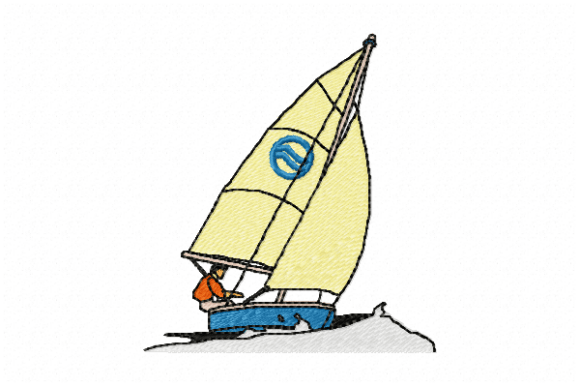
The title Sunny Sailboat suggests brightness, optimism, and nautical charm. Even though the description mentions "winter," the word "Sunny" implies a design that likely features bright thread colors—perhaps yellows, blues, and whites—that cut through gloomy weather vibes. In my experience, designs with high-contrast color palettes tend to perform better in busy market environments because they catch the eye from across a tent.
If this design leans into a modern or rustic farmhouse style, it will resonate with current trends. However, if it feels too cluttered, it may lose its impact when stitched small. The key here is balance. A sailboat motif is classic, but the execution determines whether it feels premium or generic. For a crafter fair product, you want something that feels handcrafted yet polished enough to justify a higher price point.
Product Applications: Where It Shines
When evaluating any embroidery file, I immediately visualize where it could live. Here is how the Sunny Sailboat might perform on various items:
- Tote Bags: This is perhaps the strongest candidate. A tote bag design featuring a sailboat evokes summer outings, beach trips, or even daily errands with a stylish twist. Placed on canvas or heavy cotton bags, the design can serve as a large focal point or a subtle chest logo.
- Aprons and Tea Towels: Kitchen textiles are evergreen sellers. An apron embroidery of a sailboat adds a touch of coastal charm to home decor. Similarly, a tea towel embroidery works well as a giftable item, especially when paired with matching kitchen sets.
- Caps and Hats: Curved surfaces present a challenge. If the design has fine details, it might get lost on the curve of a baseball cap. However, if it is bold and simplified, it can make a striking statement piece for outdoor enthusiasts.
- Patches and Pouches: Small fabric pouches or embroidered patches allow for lower-risk testing. These items are often impulse buys at craft fairs. A compact version of the sailboat works beautifully here.
- Pillow Covers: Home decor items like pillow covers benefit from larger stitch areas. If the design allows for generous spacing, it can create a luxurious feel on linen or velvet fabrics.
Practical Production Considerations
Before committing to batch production, a professional designer must consider the technical aspects. The visual appeal of the finished product depends heavily on these factors:
Stitch Density and Detail
One of the first things I check is the stitch density. If the sailboat has tiny rigging lines or intricate sails, it may become muddy when stitched on textured fabrics like towels or thick canvas. Designs with dense fill stitches require proper stabilizer support to prevent puckering. If the design relies on tiny lettering or minute details, it may lose clarity when reduced in size, which is common for smaller accessories like pouches.
Fabric and Thread Contrast
Thread choice is critical. On dark fabrics, light threads pop, but on light fabrics, darker threads provide definition. Since this is a winter-themed design, using navy, charcoal, or forest green threads against cream or white fabric could create a sophisticated look. Conversely, bright primary colors might lean more towards a playful, child-friendly aesthetic. Always test thread contrast before producing multiple units.
Hoop Size and Stability
You must confirm the hoop size required by the digital embroidery file. Larger designs require larger hoops, which can limit the types of garments you can embroider without awkward re-hooping. Re-hooping increases production time and the risk of misalignment. If the design fits within a standard 4x4 or 5x7 hoop, it is much easier to manage for high-volume sales.
Marketing and Sales Strategy
For an Etsy seller or boutique maker, the way you present the product matters as much as the product itself. The Sunny Sailboat design lends itself well to storytelling. You can market it as a gift for sailors, boating enthusiasts, or anyone who loves coastal living.
Create a printable mockup that shows the design on various backgrounds. Use lifestyle photography to place the tote bag or apron in a relevant setting, such as a kitchen counter or a beach picnic. This helps customers visualize the item in their own lives. Additionally, ensure that your listing highlights the durability and quality of the stitching, as this reassures buyers about the value of the small shop product.
Batch Production Efficiency
If you plan to sell at a craft fair, efficiency is key. Can you produce ten of these items in an afternoon? Designs that are simple to hooper and less prone to thread breaks will save you money and time. If the Sunny Sailboat requires frequent trimming or complex color changes, it might slow down your workflow. Test the design on scrap fabric to gauge the average run time.
Essential Designer Checklist
Before you start selling, follow these steps to ensure success:
- Test on Scrap Fabric: Never skip this step. Stitch the design on the actual fabric you plan to use to check for tension issues and fabric distortion.
- Check Commercial Licensing: Ensure you have the right to sell finished products made from this digital embroidery file. Many freebies come with restrictions.
- Use the Right Stabilizer: Heavy fabrics need cut-away stabilizers, while lightweight fabrics may require tear-away. Using the wrong type can ruin the look of the embroidered patch or garment.
- Inspect Stitch Quality: Look for loose threads, gaps in fill stitches, or backing showing through. Adjust your settings if necessary.
- Create Mockups: Develop at least one real-world sample to photograph for your Etsy listings and social media.
Final Verdict
The Sunny Sailboat design has strong potential for craft fair and handmade market products. Its theme appeals to a broad audience, and its versatility allows it to be used on a variety of items, from market bags to handmade gifts. However, success depends on careful execution. Pay attention to stitch density, thread contrast, and fabric choice. By treating this design with the same rigor as any other commercial project, you can create a craft fair product that stands out and sells well.
Remember, the goal is to create a design asset that not only looks good but also delivers value to the customer. With the right preparation, the Sunny Sailboat can become a staple in your commercial embroidery lineup.