Decorative Easter Egg Applique Review
As a designer who spends more time staring at stitch density charts and fabric swatches than actually sleeping, I approach every new embroidery design with a healthy dose of skepticism. The market is flooded with digital assets, but very few hold up to the rigors of real-world production. Today, I am evaluating the Decorative Easter Egg Applique, a piece that promises versatility across multiple formats. My goal here is not to sell you on the aesthetic alone, but to determine if this machine embroidery design can survive the transition from a digital preview to a finished product that a customer would proudly display or wear.
First Impressions: Visual Personality and Mood
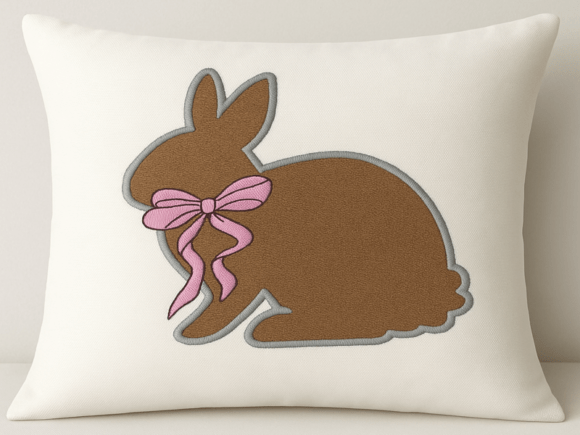
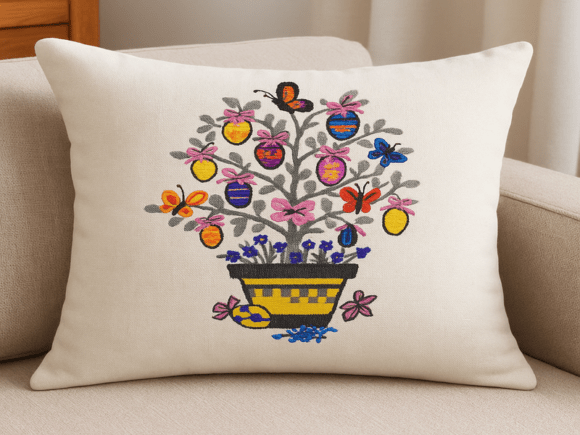
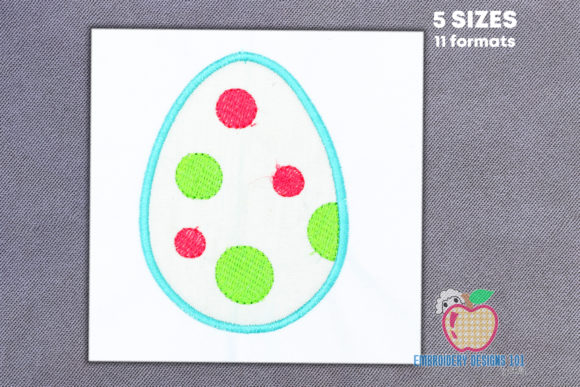
When I first loaded the file into my digitizing software, the immediate takeaway was the clean separation of elements. The design relies heavily on the concept of an applique design, which suggests that it uses underlying shapes as a base for decorative stitching rather than relying solely on dense fill stitches. This is a crucial distinction for any serious embroiderer. The visual personality of the Decorative Easter Egg Applique is cheerful yet structured. It avoids the overly childish look that plagues many holiday-specific files by maintaining strong geometric lines.
The mood it creates is one of curated springtime. It feels less like a mass-produced party favor and more like a boutique item. For designers looking to add a touch of seasonal flair without overwhelming a garment, this design strikes a balanced tone. The detail level is moderate, meaning it offers enough visual interest to be noticed but lacks the tiny, fragile details that often snag during trimming or washing. This makes it an excellent candidate for custom apparel where durability is just as important as aesthetics.
Real-World Application: From Screen to Stitch
To truly test a design, you have to imagine it in context. I ran a mental simulation of using the Decorative Easter Egg Applique on a variety of substrates, starting with a heavy cotton canvas tote bag. In this scenario, the applique technique shines. By layering fabric pieces before applying the top stitching, the design gains a tactile quality that flat embroidery simply cannot match. On a tote, it serves as a focal point, elevating a simple accessory into a handmade product with perceived higher value.
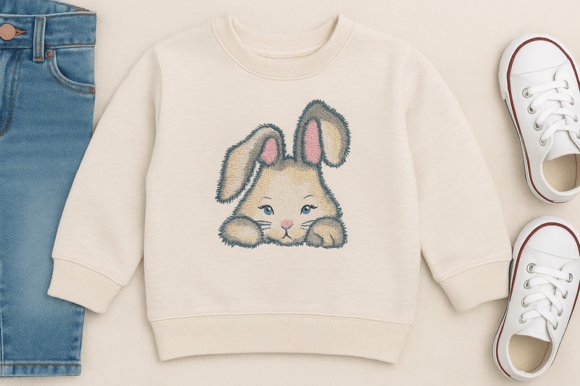
I also considered its application on soft goods like sweatshirts or baby onesies. Here, the design’s scalability becomes important. Because the steps are separated by color changes, the digitizer has likely accounted for thread tension between different sections. When applied to a sweatshirt, the design works best centered on the chest or placed asymmetrically on the pocket area. It brings a sense of warmth and tradition to holiday embroidery projects. For baby items, the rounded shapes and lack of sharp, aggressive angles make it a safe and charming choice for nursery decor or gift baskets.
Another compelling use case is for small business merchandise. Imagine an Etsy seller creating a line of kitchen towels or aprons. The Decorative Easter Egg Applique fits perfectly into a lifestyle brand narrative. It is not just an egg; it is a symbol of renewal and home. When customers see a professionally stitched applique on a tea towel, they associate that craftsmanship with the overall quality of the brand. This design can help bridge the gap between a hobbyist craft fair booth and a professional commercial embroidery operation.
Technical Performance and Stability
One of the most critical aspects of any embroidery file is how it handles different fabric textures and tensions. The Decorative Easter Egg Applique appears to utilize a mix of satin stitches for outlines and fill stitches for interior patterns. This combination is generally stable, provided the hoop size is respected. Satin stitches provide a crisp edge, which helps define the egg shape against various backgrounds.
However, no design is perfect for every situation. I advise caution when attempting this design on highly textured fabrics like terry cloth or thick fleece. The needle penetration required for the base layers might cause puckering if the stabilizer is not chosen correctly. Similarly, on stretchy knits, the inherent stability of the applique method helps prevent distortion, but you must ensure you are using a cut-away stabilizer to support the weight of the fabric layers over time. If you are working with thin fabrics, such as lightweight cotton lawn or silk blends, the added bulk of an applique could feel stiff. In these cases, a lighter stabilizer and careful hooping are essential to maintain the drape of the material.
Where to Use With Caution
- Small Hoop Sizes: While the design is likely scalable, cramming intricate applique work into a very small hoop can lead to needle strikes against the frame or difficulty in threading the fabric layers accurately.
- Curved Surfaces: Applying this to caps or curved hat fronts requires precise anchoring. The flat nature of an applique may not conform well to extreme curves without additional tack-down stitches.
- Dense Stitch Areas: Although this is an applique design, check the density of the internal fill stitches. If the area is too dense, it may become rigid and uncomfortable against the skin, especially on garments like baby clothes.
- Frequent Washing: Any multi-layered embroidery project needs to withstand laundering. Ensure that the backing fabric used for the applique is pre-washed to prevent shrinkage that could pucker the final design.
Design Notes for the Professional Embroiderer
Before committing this design to your best inventory, there are several practical steps you should take. First and foremost, always test the design on scrap fabric that matches the weight and texture of your final product. This allows you to observe how the thread colors interact with the background fabric under actual lighting conditions.
I strongly recommend testing the design in black and white mockups. This helps you evaluate the contrast and silhouette of the applique design without the distraction of color. If the shapes merge together in grayscale, the design may lack definition in color as well. Additionally, inspect the small details closely. Are the corners sharp? Is the satin stitch smooth, or does it show gaps? These micro-details are what separate amateur work from professional-grade output.
Consider the stabilizer choice carefully. A tear-away stabilizer might suffice for a sturdy tote bag, but a cut-away stabilizer is often necessary for garments that will be worn and washed repeatedly. Also, verify the licensing terms. If you plan to sell finished items featuring the Decorative Easter Egg Applique, ensure you have the appropriate commercial license. Many digital sellers offer different tiers for personal use versus commercial resale, and overlooking this can lead to legal complications for your craft business.
Final Verdict on Visual Appeal and Value
The Decorative Easter Egg Applique succeeds because it respects the limitations and strengths of machine embroidery. It does not try to be something it is not; it embraces the layered, textured beauty of applique to create a design that feels substantial and high-quality. For Etsy sellers and small shop owners, this design offers a versatile asset that can be adapted to numerous products, from tote bag designs to sweatshirt embroidery.
It enhances visual appeal by adding depth, which increases the perceived value of the finished product. Customers are drawn to items that look handcrafted and detailed, even if they are produced by machine. This design facilitates that perception. It builds trust through clarity and precision, making it a reliable addition to your library of design assets. Whether you are creating a personalized gift for a family member or stocking shelves for the spring season, this design provides a solid foundation for creative expression. It is a practical, aesthetically pleasing choice that earns its place in the toolkit of any serious embroidery project creator.