Easter Egg Tree Embroidery Design Review
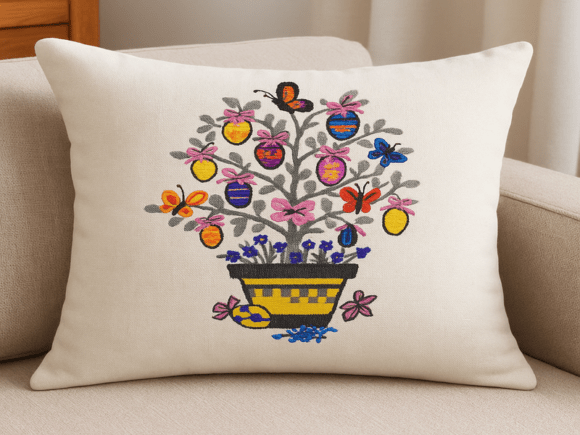
As an experienced embroidery designer who frequently consults for small businesses, boutiques, and Etsy sellers, I spend a lot of time evaluating digital files before they hit the production floor. When I first encountered the Easter Egg Tree Embroidery Design, my immediate reaction was not just about its aesthetic appeal, but about its commercial viability. The product description promises to "add a touch of spring charm" with "colorful eggs, delicate butterflies, and vibrant blooms," suggesting a design that is both festive and elegant. But does it hold up when scaled down for a chest logo, stitched onto a durable cap, or used as a branded patch on a cafe apron? This review breaks down how this machine embroidery design performs in real-world business applications.
First Impressions: Visual Personality and Brand Fit
The Easter Egg Tree Embroidery Design strikes a balance between playful and premium. For a brand identity that wants to feel welcoming, handmade, and seasonal without being overly childish, this file offers a strong foundation. The inclusion of butterflies and blooms suggests a natural, organic vibe that works exceptionally well for florists, bakeries, boutique gift shops, and creative studios. It feels less like a generic clip-art image and more like a curated piece of art, which is crucial for maintaining perceived product value.
From a branding perspective, the design communicates warmth and celebration. If your small business merch targets customers looking for thoughtful gifts or personalized items, this embroidered patch style asset can elevate the perceived quality of the final product. It avoids the trap of looking too busy by focusing on distinct elements—the tree structure, the eggs, and the surrounding nature motifs—which allows for clear visual recognition even at smaller sizes.
Real-World Business Applications
One of the most common questions I get from clients is, "Where should I put this?" The versatility of the Easter Egg Tree Embroidery Design makes it suitable for a wide range of small business merch opportunities. Here is how it translates across different product categories:
- Embroidered Patches and Badges: This design is ideal for creating cohesive brand badges. Imagine a leather-backed patch featuring the egg tree motif applied to denim jackets, canvas tote bags, or felt hats. It serves as a perfect signature mark for a handmade brand, adding a touch of artisanal flair to mass-produced blanks.
- Apron Embroidery for Cafes and Bakeries: For local cafes or home-based bakeries launching Easter specials, stitching this design on the pocket of a white or navy apron creates instant staff uniformity. It signals to customers that the business is attentive to detail and celebrates community events, fostering customer trust and engagement.
- Cap Embroidery and Headwear: While large designs can overwhelm a cap front, this motif has the potential to work well if digitized correctly for a standard 5x7 hoop area. It adds a subtle pop of color to beanies or structured caps, making them excellent promotional items for craft fairs or seasonal markets.
- Tote Bag Design Accents: A tote bag design featuring this embroidery can serve as a high-value item. Whether placed centrally or offset near the handle, the vibrant blooms and eggs catch the eye. It transforms a simple canvas bag into a branded accessory that customers are likely to carry around, providing ongoing visibility for your business.
- Custom Apparel and Work Shirts: For teams in the floral or retail sectors, incorporating this design into the sleeve cuff or back yoke of a work shirt can add personality to professional attire. It helps humanize the brand while maintaining a polished look.
Strategic Considerations and Potential Pitfalls
While the Easter Egg Tree Embroidery Design is charming, there are specific areas where an embroidery designer must exercise caution to ensure a professional finish. Not every digital file translates perfectly to physical fabric, and understanding these limitations is key to avoiding costly mistakes.
Size and Detail Constraints: When scaling this design down for tiny applications, such as a small patch on a pet collar or a miniature label on packaging, details may become lost. The delicate outlines of the butterflies and the fine lines of the tree branches require sufficient stitch count to remain legible. If the design is too small, it may appear muddy or blobby. Always test the design at its intended final size before committing to bulk production.
Thread Color Contrast: The description mentions "colorful eggs" and "vibrant blooms." In embroidery, color choice is critical. On dark uniforms or dark-colored tote bags, light thread colors may lack opacity, requiring additional underlay stitches that can distort the fabric texture. Conversely, using too many thread colors can increase production time and cost. Evaluate whether the full palette is necessary for your brand’s visual consistency or if a simplified two-tone version would be more effective.
Fabric Texture and Stabilizer Use: The performance of this embroidery file will vary depending on the base material. Stretchy knits or highly textured fabrics like burlap can cause registration issues, leading to skewed elements in the design. Proper stabilizer selection—such as cut-away stabilizers for woven bags or tear-away for lightweight shirts—is essential to maintain the integrity of the hoop size and prevent puckering. Always run a test sample on the actual fabric you plan to use.
Impact on Brand Identity and Customer Perception
Using a high-quality digital embroidery file like the Easter Egg Tree Embroidery Design directly impacts how customers perceive your professionalism. Hand-stitched or poorly digitized logos can signal low effort, whereas clean, dense stitching conveys reliability and attention to detail. By offering branded products with this design, you are not just selling a commodity; you are selling an experience. Customers associate the care taken in the embroidery process with the care you take in your core business services, thereby enhancing brand loyalty.
Furthermore, seasonal designs like this one keep your brand relevant throughout the year. They encourage repeat purchases from customers who appreciate limited-edition merchandise, driving engagement during peak shopping periods like Easter. This strategy helps maintain a fresh inventory and keeps your social media content dynamic.
Practical Designer Notes for Production
Before integrating the Easter Egg Tree Embroidery Design into your product line, follow these essential steps to ensure success:
- Test in Black and White: Convert the design to monochrome to check the spacing and density. If the elements look cluttered or disconnected in black and white, they will likely struggle in color.
- Verify Hoop Size: Confirm the maximum dimensions of the design to ensure it fits within your machine’s hoop capabilities and your product’s printable area.
- Create a Printable Mockup: Before stitching, generate a printable mockup to visualize the design on your actual product. This helps you assess scale and placement relative to other brand assets.
- Inspect Stitch Density: Look for areas of high stitch density that might cause needle breakage or fabric distortion. Ensure there is adequate negative space between elements to allow for clean trimming.
- Confirm Commercial Licensing: Most importantly, verify that you have the appropriate commercial license to sell products embroidered with this design. Using personal-use files for business purposes can lead to legal issues.
- Compare Against Other Assets: Place this design beside your existing logo and other design assets to ensure visual harmony. Does it complement your current brand palette, or does it clash?
In conclusion, the Easter Egg Tree Embroidery Design is a versatile and attractive option for small business owners looking to expand their seasonal offerings. Its blend of natural motifs and festive cheer makes it suitable for a variety of applications, from aprons to tote bags. However, success depends on careful execution, proper fabric selection, and adherence to best practices in digitization and production. By treating this file as a strategic brand tool rather than just a decorative element, you can create memorable products that resonate with your audience and strengthen your market presence.