Fish Embroidery Design Review
As an embroidery designer who spends weekends hunched over a sewing machine and weekdays managing an online shop, I know that the difference between a "nice" product and a "bestseller" often comes down to one thing: visual impact at a glance. When you are setting up a booth for a craft fair or refreshing your Etsy listings, you have about three seconds to catch a customer’s eye before they move on to the next table. This is why I take every new digital embroidery file seriously before committing it to production.
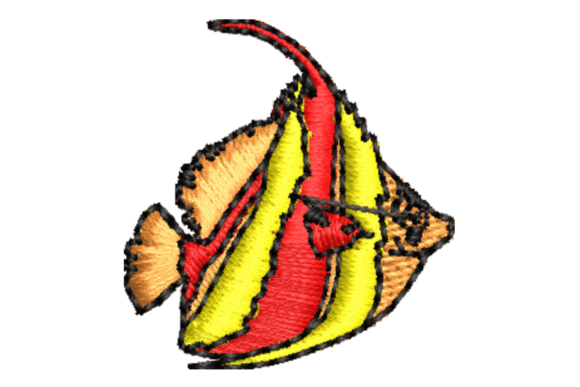
I recently reviewed the Fish Embroidery Design, a piece described as bringing "serenity and charm" with a gracefully detailed aquatic creature. My goal was to determine if this design has the potential to become a staple in my handmade product line, particularly for summer markets, beach-themed boutiques, and coastal home decor collections. Below is my professional breakdown of how this design performs as a commercial asset.
First Impressions and Aesthetic Appeal
The description highlights elegance and serenity, which suggests this isn’t a cartoonish or overly rustic fish. In the world of machine embroidery design, clarity is king. From the preview images, the Fish Embroidery Design strikes a balance between decorative and modern. It feels clean enough for a minimalist aesthetic but detailed enough to justify a premium price point.
For craft fair sellers, the mood of the design is crucial. Summer wear, kids’ clothing, and coastal home goods are all booming categories. This design fits seamlessly into those niches. It avoids being too busy, which means it won’t compete with busy fabric patterns—a common mistake many new Etsy seller accounts make. Instead, it acts as a focal point that allows the texture of the base fabric to shine through. The "graceful" nature of the lines suggests it will photograph well, which is half the battle when selling digital embroidery file assets or finished goods online.
Product Versatility: Where Does It Shine?
One of the most important questions I ask myself during the review process is: "Can I use this more than once?" If a design only works on one item, it is harder to justify the time investment. The Fish Embroidery Design shows impressive versatility across several high-demand crafter fair product categories.
- Tote Bags: A canvas tote with a single, centered Fish Embroidery Design is a classic bestseller. The design’s elegance elevates a basic $5 bag into a $20+ boutique item. It works particularly well on natural cotton or light blue denim tomes.
- Apron Embroidery: For kitchen-focused buyers, placing this design on the bib of a linen apron adds a touch of whimsy without overwhelming the garment. It appeals to home cooks who want their kitchen tools to feel curated.
- Tea Towel Embroidery: This is a high-volume, lower-price-point item. Because the design is graceful rather than hyper-detailed, it reproduces well on textured towel fabrics, provided the stitch density is appropriate.
- Embroidered Patch: Converting the design into a patch format (with a satin border) opens up a new market. These can be sold separately or used to embellish backpacks and caps by customers themselves.
- Caps and Beanies: The curved surface of a cap requires a design that isn't too wide. If the Fish Embroidery Design is scaled correctly, it sits perfectly on the front panel, catching the light and drawing attention from across the aisle.
Additionally, this design translates beautifully to small pouches and pillow covers. A set of two throw pillows featuring mirrored fish designs could command a significant price in the home decor section of a market.
Production Practicality and Technical Considerations
Creating a finished product is different from just digitizing a file. As a designer, I need to ensure that what looks good on a screen also stitches out cleanly on fabric. Here are the practical points to consider when producing items with this design.
Stitch Density and Detail
The description mentions "gracefully detailed," which raises a red flag for smaller sizes. If the design includes tiny scales or intricate fin details, it may lose clarity if reduced too much. I always recommend testing the design at its smallest intended size on scrap fabric. If the details merge together, creating a muddy blob, you should either simplify the design or stick to larger formats like tote bags and aprons.
Check the stitch density carefully. Fish shapes often involve large areas of fill stitch. If the density is too high, the fabric may pucker, especially on lightweight materials like tea towels or thin cotton blends. Conversely, if the density is too low, the stabilizer might show through. Finding the sweet spot ensures your small shop product feels premium and durable.
Fabric Texture and Thread Contrast
The success of this design relies heavily on thread choice. Because the fish is elegant and serene, it likely uses fewer colors than a complex landscape. However, this makes color contrast even more critical. On dark fabrics, you will need a heavy underlay and potentially a cut-away stabilizer to prevent the fish from sinking into the material. On light fabrics, metallic or variegated threads could add a lovely shimmer that catches sunlight at outdoor craft fairs.
Also, consider the fabric texture. Embroidering on a highly textured fabric like a thick waffle-weave towel can obscure fine details. For the best results, pair the Fish Embroidery Design with smoother fabrics where the thread work can lay flat and crisp.
Hoop Size and Placement
Before mass-producing, confirm the hoop size required by the embroidery file. If the design is large, it may limit you to bigger hoops, which restricts where you can place it on certain garments. Ensure you have enough room to embroider it on the specific products you plan to sell. If you are making commercial embroidery items, consistency is key; using the same hoop placement across all your tote bags builds brand recognition.
Selling Strategy and Customer Engagement
When displaying these items at a craft fair, the Fish Embroidery Design offers a strong narrative. You aren't just selling a bag; you are selling a summer vibe, a love for the ocean, or a sense of calm. Use this in your signage. Words like "hand-stitched detail" and "coastal charm" resonate with buyers looking for authentic handmade products.
For online sellers, create printable mockup images that show the design in lifestyle settings. A fish-embroidered apron next to fresh seafood or lemons tells a story. A tote bag on a sandy beach implies adventure. These visuals help customers visualize the product in their own lives, increasing conversion rates.
Furthermore, this design is repeatable. Once you perfect the stitching parameters, you can batch-produce items efficiently. This repeatability is essential for maintaining profitability. However, always inspect the first few samples closely. Check for thread breaks, tension issues, and alignment errors. A flawless finished product leads to positive reviews and repeat customers.
Final Verdict and Next Steps
The Fish Embroidery Design appears to be a strong candidate for inclusion in a craft fair inventory. Its elegant aesthetic fits well with current trends in coastal and minimalist decor. It is versatile enough for apparel, home goods, and accessories, and it photographs well, which is vital for both physical displays and online marketing.
However, success depends on execution. Before you commit to buying bulk fabric, follow these steps:
- Test on Scrap Fabric: Stitch the design out on the exact fabrics you plan to use. Check how the thread interacts with the weave.
- Review Spacing: Ensure there is enough negative space around the fish so the design breathes and doesn't look cramped.
- Confirm Licensing: Verify the commercial licensing terms of the design assets. Make sure you are allowed to sell finished goods made from this file.
- Create Mockups: Produce at least one real sample of each product type (tote, apron, patch) to evaluate the final look and feel.
If these checks pass, the Fish Embroidery Design has the potential to become a standout item in your collection. It combines artistic appeal with commercial viability, offering a solid return on your creative investment. Happy stitching, and may your next craft fair be your most successful yet!