Ibrahim Arabic Name Embroidery Design Review
Setting up for a craft fair or preparing your booth display is equal parts excitement and anxiety. As an embroidery designer, I spend hours evaluating digital files not just for their aesthetic beauty, but for their commercial viability. Will this design stop a browser in their tracks? Does it translate well from a screen to a physical handmade product? Today, I am reviewing the Ibrahim Arabic Name design with a critical eye, focusing on how it performs as a craft fair product and what it means for sellers looking to expand their inventory.
First Impressions: Elegance Meets Personalization
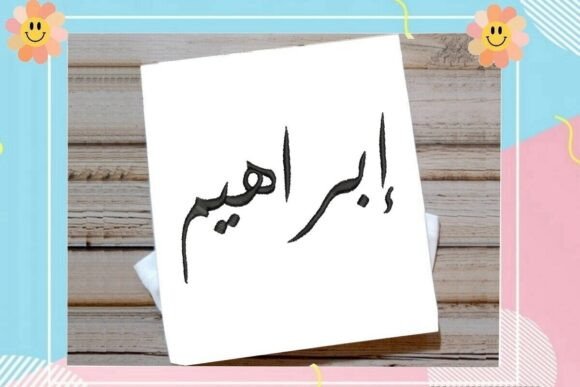
The moment you open the file for Ibrahim Arabic Name, the first thing that strikes you is the clean, refined nature of the lettering. In a market flooded with generic quotes and busy patterns, this design stands out because it feels premium. It is not loud or overly decorative; instead, it offers a quiet sophistication that appeals to buyers looking for something special for their children. The description highlights its suitability for clothing and accessories, and my initial assessment confirms that it hits the mark for modern, minimalist aesthetics.
For an Etsy seller or boutique maker, this design bridges the gap between traditional cultural heritage and contemporary style. It feels soft yet structured, making it versatile enough for various demographics. However, the success of this design relies heavily on execution. Arabic calligraphy requires precision, and if the stitch density is too high or the spacing is off, the elegance can quickly turn into a muddy blob. Based on the visual flow, this design promises to look excellent when executed correctly, offering a high perceived value for the end consumer.
Product Applications: Where Ibrahim Stands Out
When planning your table display, you need products that showcase the design’s strengths. Here is how Ibrahim Arabic Name translates across different embroidery categories:
- Tote Bags: A canvas tote with this name embroidered in a subtle thread color against a neutral background screams "modern mom" or "stylish student." It works best as a chest-sized accent rather than a full-frontal giant logo. This keeps the look sophisticated and allows the bag to be used daily without feeling like walking merchandise.
- Aprons and Tea Towels: For the kitchen-focused buyer, placing this design on a linen apron adds a personal touch to home goods. The clean lines of the Arabic script contrast beautifully with the texture of cotton or linen. It elevates a simple kitchen towel into a thoughtful gift item.
- Caps and Headwear: Curved surfaces can be tricky for text-based designs. However, because the letters are distinct and spaced well, this design should hold up well on the front panel of a dad hat or a baseball cap. Just ensure the curve of the cap does not distort the vertical balance of the characters.
- Embossed Patches and Pouches: If you offer sew-on patches, this design is ideal. The clear boundaries make it easy to cut and finish. Small fabric pouches for school supplies or toiletries also benefit from the compact nature of a single name, making them perfect for Boys Girls categories where personalization is key.
- Pillow Covers: For nursery decor, a small embroidered square featuring the name on a soft pillow cover is a bestseller. It fits the current trend of personalized nursery themes that are gender-neutral or softly colored.
Production Practicality and Booth Appeal
From a production standpoint, efficiency is money. How easy is it to digitize and embroider this design repeatedly? The Ibrahim Arabic Name design appears to have a moderate level of complexity. It is not a solid block of fill stitches, which means it likely has a reasonable stitch density. This is crucial for batch production because it reduces hoop time and stabilizer usage.
At a craft fair, visual appeal drives sales. When customers walk by your booth, they scan for faces, names, and familiar shapes. A name design triggers an immediate emotional connection. Parents want to see their child’s name; grandparents want to buy gifts that feel personal. This design leverages that psychology perfectly. It photographs exceptionally well for online listings because the negative space around the letters allows the design to breathe, ensuring clarity even in small thumbnail images.
Furthermore, the design feels repeatable. You can easily create variations by swapping thread colors—using gold on navy, white on black, or pastel pink on cream. This versatility allows you to stock a variety of options without needing multiple new design files, maximizing your return on investment for each digital embroidery file you purchase.
Photography and Display Tips
To maximize sales, use this design in your printable mockup strategy. Show the name on a real-world item like a folded tee or a hanging apron. Natural light is your friend here. Avoid harsh shadows that might obscure the details of the Arabic script. Since the design is elegant, pair it with minimalist props in your photos to maintain brand consistency.
Careful-Use Notes and Technical Considerations
Before you rush into mass production, there are technical hurdles every designer must address. Arabic calligraphy can sometimes feature tiny loops or delicate connections that may not survive aggressive washing or dense stitching.
- Thread Contrast: Ensure high contrast between the thread and the fabric. On dark fabrics, use metallic or bright threads to make the letters pop. On light fabrics, charcoal or deep blue provides better definition than pure white, which can get lost in the weave.
- Fabric Texture: Be cautious with highly textured fabrics like heavy terry cloth or boucle. The needle penetration might cause the design to shift or the stitches to sink into the pile, losing clarity. Stick to smooth cottons, linens, or blends for the best results.
- Hoop Size and Stability: Confirm the recommended hoop size for the design. If the design is large, ensure your machine can handle the width without requiring re-hooping, which can misalign the stitching. Always use the right stabilizer; tear-away for stable wovens, cut-away for knits or stretchy fabrics like those used in caps and activewear.
- Small Lettering Risks: If you plan to scale this down significantly for small items like jewelry boxes or tiny tags, test it first. Tiny details in Arabic script can merge together if the stitch count is too low or the resolution is poor.
Final Verdict for Sellers
The Ibrahim Arabic Name design is a strong contender for any serious commercial embroidery business. It offers a blend of cultural significance and modern minimalism that resonates with today’s consumers. It is practical to produce, visually striking, and highly personalizable.
However, remember that the file is only half the battle. Your success depends on your ability to execute it flawlessly. Take the time to test the design on scrap fabric. Check the thread colors under different lighting conditions. Inspect the stitch density to ensure no fabric puckering occurs. And most importantly, confirm your commercial licensing terms before selling finished products. With careful preparation, this design can become a staple in your collection, driving engagement at your next craft fair and boosting sales in your online shop.