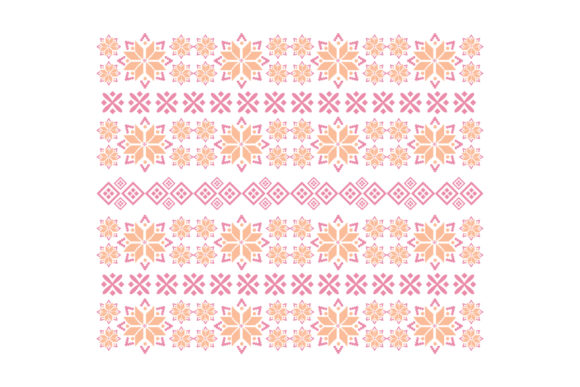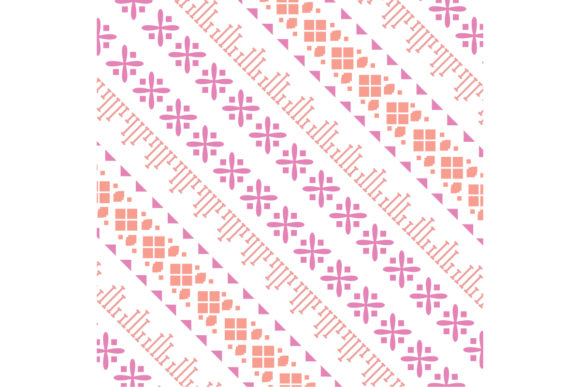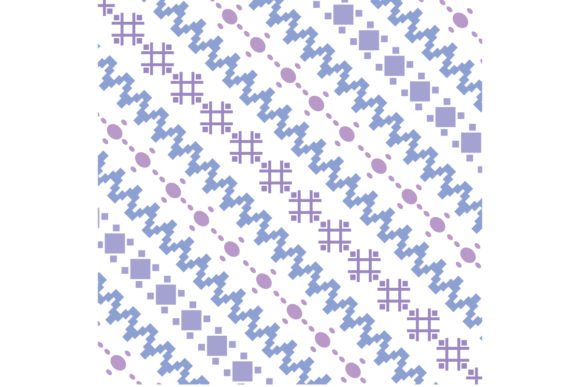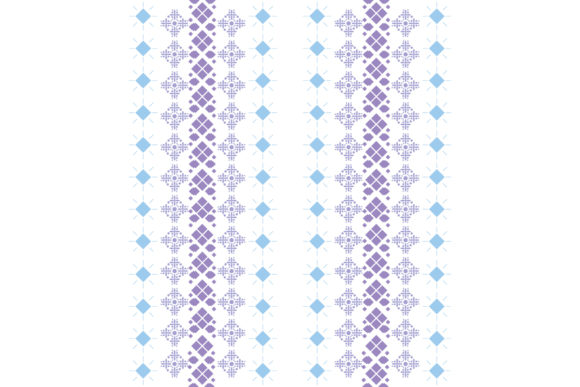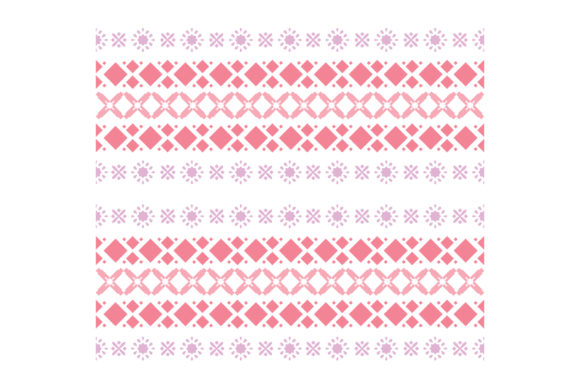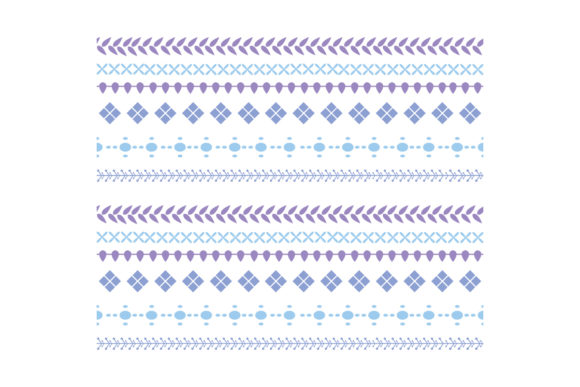
Seamless Wall Paper Embroidery Design Review
As an embroidery designer who has spent years turning digital concepts into tangible brand assets, I look at every new file with a critical eye. My goal is never just "pretty" stitching; it is about creating durable, scalable, and profitable design assets for small business owners. Today, I am reviewing the Seamless Wall Paper Embroidery Design, categorized under Patterns and Graphics. While the description notes it as a "seamless wall paper embroidery design for bedroom decorative," my focus here is strictly on its viability for commercial application, branded merchandise, and professional branding.
When you are running a boutique, a handmade shop, or a creative studio, you need machine embroidery design files that offer versatility. This specific pattern promises a continuous, repeating aesthetic that can be adapted beyond home decor. Let’s break down how this embroidery file performs in real-world business scenarios, from staff uniforms to customer-facing products.
First Impressions: Visual Personality and Brand Fit
The title Seamless Wall Paper Embroidery Design suggests a sophisticated, continuous flow. In the world of brand identity, seamless patterns convey elegance, modernity, and high-quality production values. Unlike a single focal logo, a wallpaper-style pattern creates a textured background that feels premium and intentional.
For brands aiming for a rustic, handmade, or botanical aesthetic, this design offers a strong foundation. It feels friendly yet structured, making it suitable for florists, bakeries, cafes, and lifestyle brands. The "wallpaper" aspect implies that the design is dense enough to cover space effectively without looking sparse, which is crucial for commercial embroidery where coverage equals perceived value. However, because it is described as a pattern rather than a singular icon, its strength lies in repetition and texture rather than immediate logo recognition.
Real-World Business Applications
So, where does this digital embroidery file shine in a product line? Here is how I see it performing across various categories:
- Embroidered Patches: Because the design is seamless, it can be digitized into a large circular or square patch that repeats the motif. This works beautifully for denim jackets, canvas bags, or hat backs where a subtle, all-over texture is desired rather than a bold central logo.
- Staff Uniforms and Aprons: For cafes and boutiques, a subtle seamless pattern on the chest pocket or along the hemline of an apron adds a layer of professionalism. It signals attention to detail without overwhelming the wearer. This is excellent for custom apparel that needs to feel cohesive but not uniform-like.
- Tote Bag Design: A tote bag is a walking billboard. Using this design as an all-over print effect (via embroidery) or as a large panel on the side of a tote bag elevates the product from a generic item to a branded asset. It enhances the handmade product appeal for Etsy sellers and craft fair vendors.
- Cap Embroidery: While less common for full-face patterns, using segments of this wallpaper design on the side panels or back of a cap can create a unique, trendy look for fashion-forward brands.
- Product Packaging Accents: Small embroidered tags or labels featuring a cropped section of this pattern can be attached to retail packaging, adding a tactile element that boosts customer trust and unboxing experience.
Strategic Considerations and Limitations
No design is perfect for every application. As a reviewer, I must highlight where caution is needed. The term "wallpaper" often implies intricate detail. If the digitization includes fine lines or tiny text within the pattern, you will face challenges.
Small Patch Sizes: If you plan to embroider this on a small lapel pin size, the details may merge into a blur. Always test at 100% scale before committing to production.
Curved Surfaces: Embroidering a flat pattern onto a curved surface like a cap front or a rounded mug sleeve requires significant skill. Distortion can occur if the fabric stretches unevenly during stitching.
High Stitch Density: Wallpaper patterns can be stitch-heavy. On delicate fabrics, this weight might cause puckering. You must use the correct stabilizer—likely a cut-away stabilizer for durability—to prevent the fabric from distorting over time.
Detailed Outlines: If the design relies on thin outlines to define the pattern, these may break down after multiple wash cycles, especially on items like work shirts or aprons that undergo frequent laundering. For finished product longevity, ensure the design elements are robust enough to withstand friction.
Impact on Brand Identity and Customer Trust
Using a high-quality embroidered patch or detailed garment decoration significantly impacts how customers perceive your brand. It moves your product from "mass-produced" to "crafted." When a customer sees the texture and precision of a well-executed pattern, it reinforces the idea that your business cares about quality. This visual consistency builds brand identity over time. Whether it is a pet brand using a playful pattern or a luxury candle maker using an elegant one, the embroidery serves as a physical manifestation of your brand values.
Furthermore, unique design assets help your products stand out in crowded marketplaces like Etsy. A custom embroidery file that isn't available to everyone gives you a competitive edge. It allows you to create limited edition runs or exclusive merch that drives engagement and sales.
Practical Designer Notes for Production
Before you start printing or stitching, follow these essential steps to ensure success:
- Test in Black and White: Convert the design to grayscale first. This helps you evaluate the contrast and spacing without the distraction of color. If the shapes don't read clearly in monochrome, they won't read clearly in thread.
- Check Thread Color Contrast: Ensure the thread colors chosen provide sufficient contrast against your base fabric. Dark uniforms require light threads, and vice versa, unless you are going for a tonal, subtle look.
- Inspect Spacing and Hoop Size: Confirm the hoop size required by the file. Seamless patterns often require larger hoops or multi-hooping techniques. Ensure your machine can handle the dimensions without losing registration.
- Test on Real Fabric: Never trust a screen mockup alone. Stitch the design on the actual fabric you intend to use. Observe how the fabric texture interacts with the stitches. Does it sink in? Does it pop?
- Create a Printable Mockup: Use the printable mockup provided or create your own to show clients or stakeholders. Visualizing the end result helps in getting approval before cutting fabric.
- Confirm Commercial Licensing: This is critical. Verify that you have the right to use this digital embroidery file for commercial resale. Some patterns are for personal use only. Protect your business by ensuring you own the rights to sell products made with this design.
In conclusion, the Seamless Wall Paper Embroidery Design is a versatile tool for any designer looking to add depth and texture to their merchandise. It is not just a decorative element; it is a strategic choice for building a premium brand image. By understanding its strengths in tote bag design, apron embroidery, and patch work, while respecting its limitations regarding density and size, you can leverage this pattern to create memorable, high-value products for your small business.