Unique Wall Paper Embroidery Design Review
As an embroidery designer who spends hours digitizing, testing, and refining designs for both personal projects and commercial clients, I am always on the lookout for design assets that offer versatility without sacrificing aesthetic quality. Recently, I came across a product titled "Unique Wall Paper Embroidery Design" on Creative Fabrica. While the description is brief—simply noting it as a design for bedroom decorative use within a collection—I decided to put it through its paces. My goal was to determine if this piece of Patterns and Graphics content could hold up in a real-world scenario, specifically for handmade products sold on Etsy or at craft fairs.
This review is not just about how the design looks on a screen; it is about how it performs when stitched into a finished product. Whether you are an Etsy seller, a small business owner, or a crafter looking to elevate your custom apparel, understanding the practical application of a digital file is crucial. Here is my honest evaluation of using this design for commercial and personal embroidery projects.
First Impressions and Visual Appeal
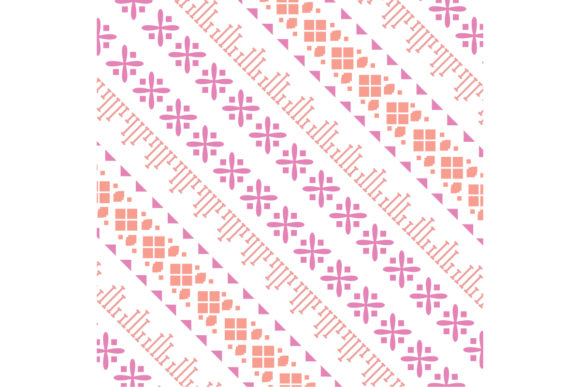
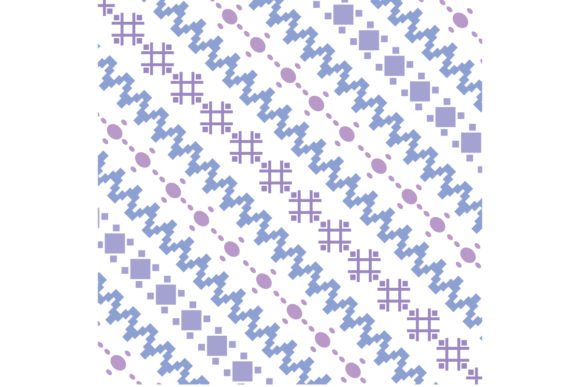
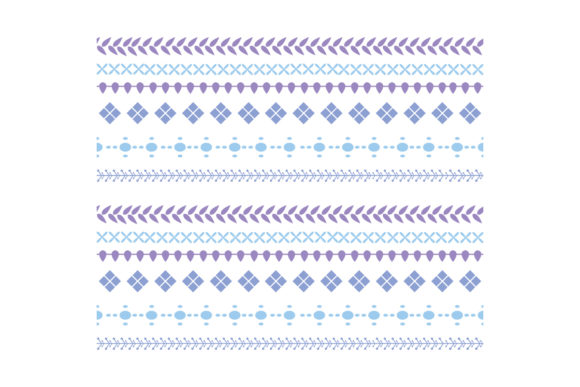
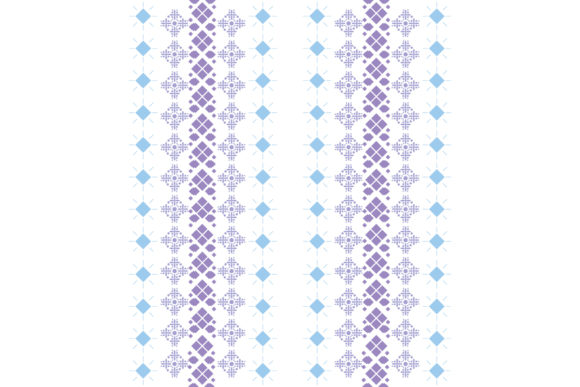
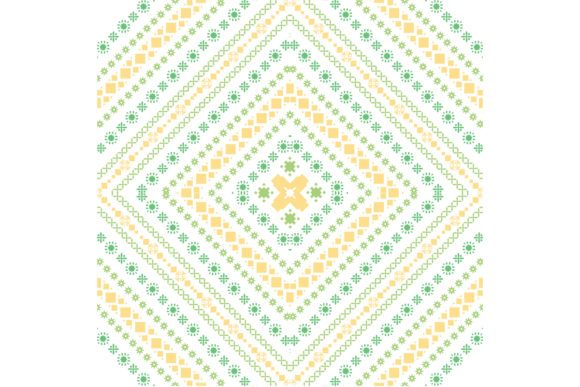
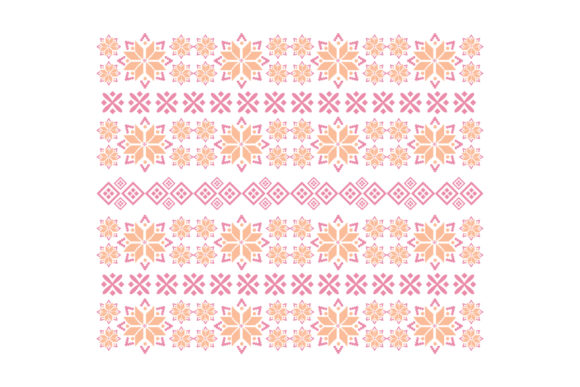
The term "wall paper" in the title suggests a patterned, perhaps intricate or repeating aesthetic, which immediately sets expectations for a design that mimics the texture and complexity of interior decor. When viewed as a standalone machine embroidery design, the visual mood appears sophisticated. It carries a decorative appeal that leans towards elegance rather than whimsy. For designers looking to create high-end handmade gifts or boutique merchandise, this kind of aesthetic can be very effective.
The detail level seems suitable for items where the eye will linger, such as a pillow cover or a kitchen towel. However, because it draws inspiration from wallpaper, there is a risk of the design feeling too busy if not balanced with negative space. In terms of stitching personality, it likely relies heavily on fill stitch to create those textured, wall-like appearances, possibly accented with satin stitch for definition. This combination can yield a rich, tactile look that adds significant value to a simple cotton tote bag or a plain sweatshirt.
Real-World Application: Where Does It Fit?
One of the most important questions for any embroidery file is: what does it work best on? Based on the "bedroom decorative" context, this design naturally fits home decor items. A large pillow cover or a set of matching kitchen towels would allow the pattern to breathe. However, the versatility of Creative Fabrica embroidery files often allows for cross-category use.
- Tote Bags: A structured canvas tote can handle the weight of a dense pattern. The contrast between the rugged fabric and the delicate embroidery creates a professional finish.
- Sweatshirt Embroidery: If the design is not overly large, it can serve as a focal point on the chest or back of a hoodie. The softness of fleece contrasts nicely with structured stitches.
- Baby Blankets and Nursery Decor: Given the bedroom theme, softer interpretations of this design could work well for nursery walls or blanket borders, provided the color palette is gentle.
- Embroidered Patches: If the design has a defined border, it could be digitized further or used as-is to create a high-quality patch for denim jackets or caps.
For apparel decorators and digital product sellers, this design also offers potential for printable mockups. Even if you do not have an embroidery machine, creating digital representations of this pattern on various backgrounds can help you test market interest before investing in physical production.
Practical Considerations for Stitching
While the concept is strong, the execution depends entirely on the technical details of the file. As a reviewer, I must highlight several practical factors that every embroiderer should consider before downloading and stitching.
Hoop Size and Scale
The hoop size is critical. Wallpaper patterns often imply scale. If the design is intended to mimic a full wall, it might be too large for standard 4x4 or 5x7 hoops. Conversely, if it is a small motif meant to repeat, it needs to be clear enough to read at a smaller scale. I strongly advise checking the product details on Creative Fabrica to confirm the maximum recommended hoop dimensions. Stitching a design that is too small can result in lost detail, while one that is too large may require multiple hooping, which can misalign the pattern.
Stitch Density and Fabric Compatibility
A design inspired by wallpaper likely uses significant stitch density to create texture. High density is great for durability but can make fabric stiff. This is perfect for a kitchen towel or a tote bag design that needs structure. However, it may be less comfortable on direct-to-skin items like baby blankets unless a cut-away stabilizer is used properly. Always test on scrap fabric first to ensure the stiffness is acceptable for your intended use.
Thread Colors and Contrast
The success of this design will hinge on thread colors. If the design relies on subtle tonal variations to mimic wallpaper textures, it may get lost on dark fabrics. I recommend comparing light and dark fabric mockups before committing to a run. For commercial embroidery products, neutral thread colors (cream, beige, grey) often pair best with this type of aesthetic, allowing the pattern itself to stand out without clashing with the garment color.
Small Details and Lettering
If the design includes any text or tiny graphic elements, inspect them closely. Tiny lettering can become illegible after washing, especially on stretchy fabrics like jersey knits used for caps or t-shirts. If the design features intricate running stitch lines, ensure they are long enough to prevent puckering. Curved surfaces, such as cap fronts, pose additional challenges for flat, wallpaper-like patterns, potentially causing distortion.
Impact on Product Value and Brand Consistency
Using a unique, aesthetically pleasing design like "Unique Wall Paper Embroidery Design" can significantly enhance product photography and customer engagement. Items that feature sophisticated patterns often command a higher price point because they appear more artisanal and thoughtful. For small business owners, consistency is key. If this design aligns with your brand’s mood—perhaps leaning towards bohemian, vintage, or modern minimalist—it can strengthen your visual identity.
Furthermore, the "bedroom decorative" angle opens up gifting opportunities. Personalized gifts featuring elegant patterns are popular for housewarmings, weddings, and holidays. By offering a product that feels like a curated home decor item rather than mass-produced merchandise, you build buyer trust and encourage repeat purchases.
Final Verdict and Next Steps
"Unique Wall Paper Embroidery Design" shows promise as a versatile asset for crafters and creative entrepreneurs. Its decorative nature makes it ideal for home goods and accessories where visual impact is paramount. However, due diligence is required.
- Check File Details: Verify the specific formats, recommended hoop sizes, and stitch counts listed on the Creative Fabrica page.
- Review Licensing: Ensure the license permits commercial embroidery sales if you plan to sell finished items. Terms vary, so never assume.
- Test Stitch: Always run a test stitch on your actual production fabric with your chosen stabilizer.
- Inspect Quality: Zoom in on the digital preview to check for any awkward spacing or potential digitizing errors.
If the technical specs align with your equipment and your brand aesthetic, this design could be a valuable addition to your library. It offers a blend of artistic flair and functional beauty that resonates with today’s consumers who appreciate handmade, detailed craftsmanship. Just remember to prioritize proper stabilization and thread selection to ensure your finished product reflects the quality of the original design.